Guides
Practical advice for reading your cat's stress signals and keeping the household calm.

Enrichment during crate rest after surgery or injury: keeping a cat calm with almost no room to move
A vet says two or three weeks of strict crate rest after a fracture or an ACL-type repair, and most enrichment advice assumes a cat that can run, climb, and chase. None of that applies here, and using it anyway can undo the surgery.
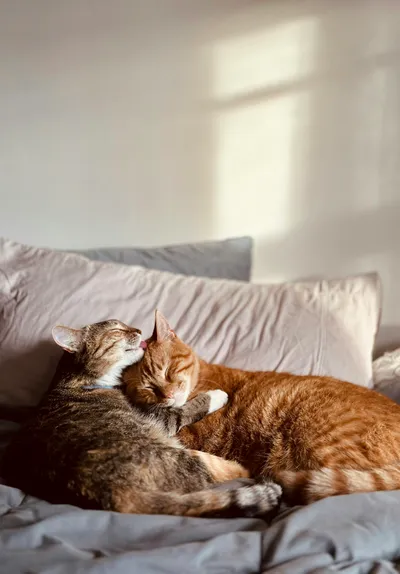
Daily routines that lower tension in a multi-cat home: feeding, play, and solo time
Most multi-cat advice focuses on resources and space. The daily schedule around those resources, who eats when, who gets play first, who gets time alone, matters just as much and gets fixed a lot less often.
Transitioning a cat to puzzle feeding without a hungry standoff
Swapping a bowl for a puzzle feeder on day one is the most common way the switch fails. A cat that hasn't learned the mechanic yet just doesn't eat, and that's a worse outcome than the bowl ever was.

Play fighting vs. real fighting between cats: how to tell the difference
Two cats rolling around and swatting at each other can be a game or the start of a real problem. The noise level and the pauses in between tell you which one you're watching.

Packing week: keeping an anxious cat calm while your home fills with boxes
The stress of a move starts well before moving day. The week your home fills with boxes changes more of a cat's environment than the actual drive does, and it's the part most moving advice skips.
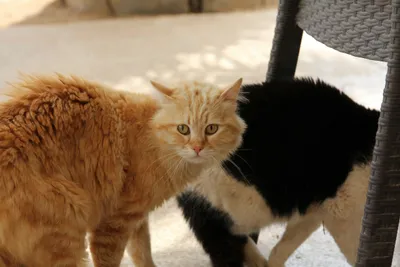
Why cats fight when one comes home from the vet: the scent recognition problem
Our guide on sudden fighting names a vet visit as the most common trigger, in one paragraph. Here's why a familiar cat can come home smelling like a stranger, and what actually shortens the standoff.
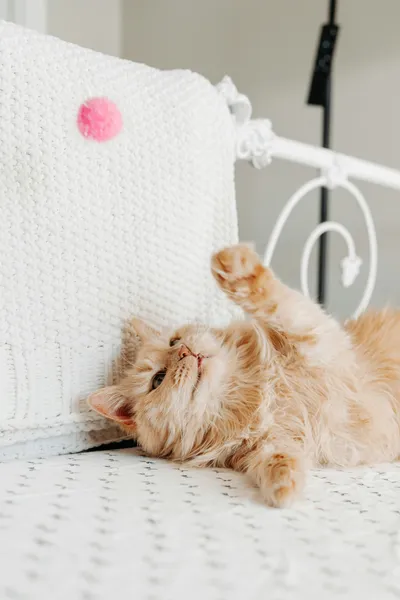
Kitten enrichment: why standard adult play advice doesn't fit a growing cat
Most enrichment advice is written for a cat with an established routine and full-grown joints. A kitten has neither yet, and treating one like a small adult creates habits that are hard to undo later.
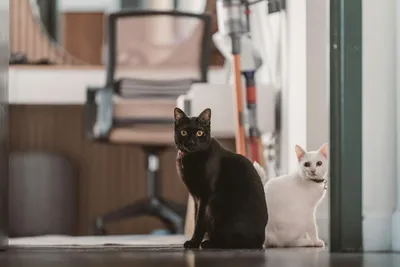
Blending two cat households into one: introducing groups, not just individuals
Two people moving in together often means two established cat households merging into one at the same time. That's a different problem from adding a single new cat, and treating it like a solo introduction is why it goes badly.
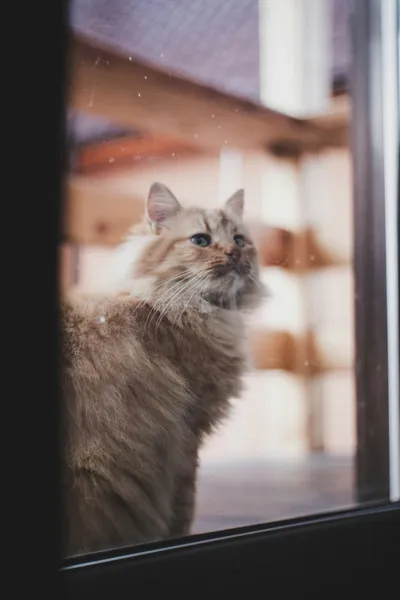
Taking an indoor-outdoor cat fully indoor after a move: what actually changes
A move is often the moment an indoor-outdoor cat becomes indoor-only, whether or not anyone planned it that way. A new neighborhood's traffic, an unfenced yard, or a lease that bans it can force the switch overnight, and that's a bigger change than the move itself.

When a multi-cat household loses one cat: how the surviving cats actually react
A remaining cat doesn't understand death. It notices a missing smell, an empty resting spot, and a resource split that used to work between two cats and now doesn't. That's a different problem than grief, and it needs a different response.

Harness training 101: getting an anxious cat comfortable with a harness before the first walk
A harness turns outdoor time into a controlled option, but only after a cat is genuinely comfortable wearing one. Clipping on a leash and heading straight for the door skips the part that actually makes the first walk work.
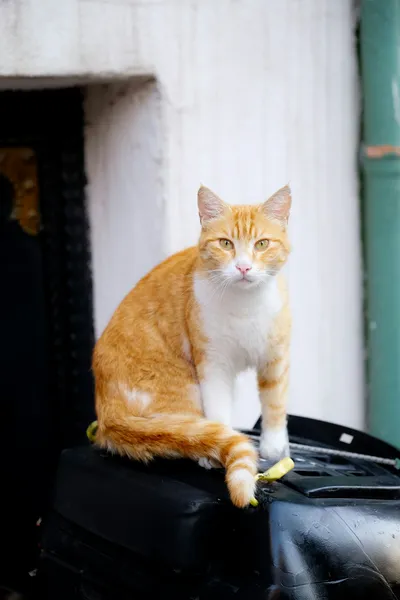
Hotels, extended stay, and family stopovers: keeping a cat steady between move-out and move-in
Not every move goes straight from old house to new house. A week in a hotel, an extended-stay unit, or a spare room at a relative's sits in between, and it needs its own plan instead of a scaled-down version of either end.

Bringing a new baby home: preparing an anxious cat for the biggest change in the house
A new baby changes the sound, smell, and schedule of a house all at once, and none of it comes with warning. Here's what actually helps an anxious cat adjust, before and after the day you bring the baby home.

Moving abroad with a cat: what international relocation actually requires beyond a carrier
Our cross-country guide covers driving and flying within one country. Moving to another country adds a layer that has nothing to do with the cat's temperament: microchip timing, blood tests, and a health certificate with an expiration date measured in days.

Separation anxiety in cats: signs it's not just boredom, and what actually helps
A cat that's destructive or loud only when you're gone isn't automatically bored. Real separation anxiety clusters around departures and returns in a specific pattern, and it needs a different fix than a new toy.
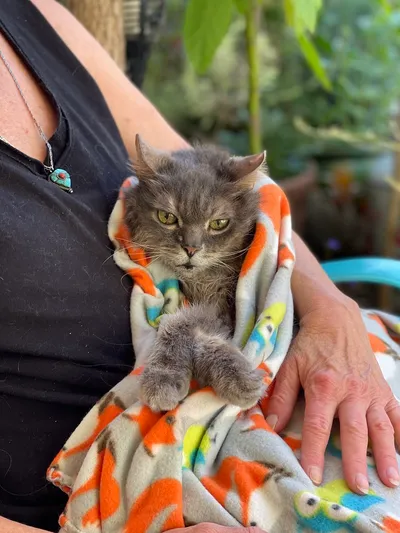
Moving with a senior or medically fragile cat: what the general moving plan doesn't cover
Our general moving plan assumes a cat who can jump, eat normally, and bounce back from a skipped dose of medication. A senior or medically fragile cat can't assume any of that, and the stakes for getting it wrong are higher.
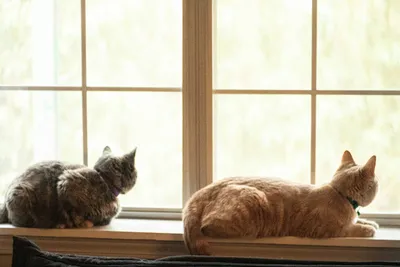
When cats never fully bond: managing a household where cats coexist instead of become friends
Every introduction guide points toward friendship as the goal. Some cats never get there, and the households that do best with that outcome stop treating it as an unfinished project and start managing it as the permanent shape of the home.

Enrichment for a cat that's scared of new things: slow introductions for a neophobic cat
Most enrichment advice assumes a cat will walk up to a new toy out of curiosity. A cat with a strong neophobic streak does the opposite: it treats anything unfamiliar as a reason to leave the room.
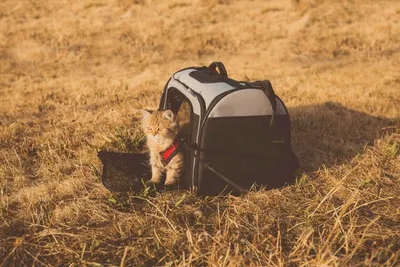
Finding a new vet after you move: what to transfer, when to schedule, and how not to wait for an emergency
Most people don't think about a new vet until something's already wrong. Doing the legwork before that happens means a cat's first visit is a calm one, not an emergency.

Fear-free handling at home: trimming nails, giving meds, and brushing without a fight
Every time a nail trim ends in a struggle, the next one gets harder, not easier. The fix isn't a firmer grip. It's changing what the cat expects to happen when your hands come out.
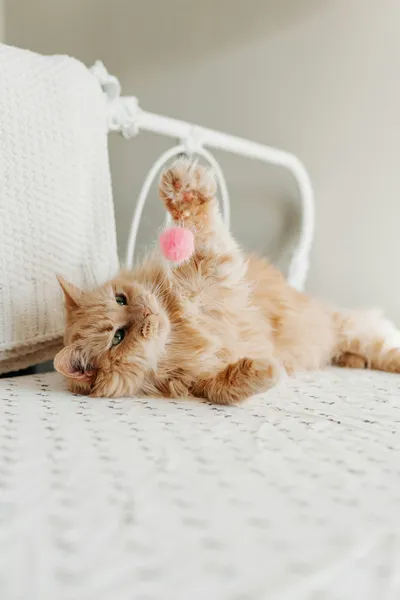
How much playtime does a cat actually need? A realistic daily schedule
Our predatory play guide covers why a toy stops working. This one covers a plainer question: how much play, how often, actually keeps a cat from getting there in the first place.
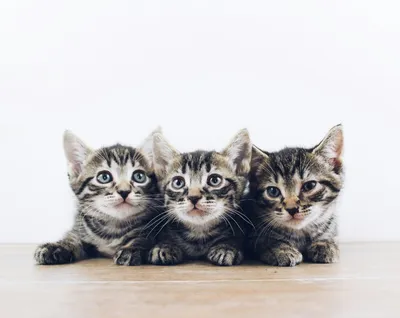
Adding a third cat to an already-established multi-cat home: why group introductions are different
Introducing a second cat is a negotiation between two individuals. Introducing a third one changes an existing relationship too, and that's the part most advice for first-time introductions doesn't cover.

Excessive meowing in cats: when a vocal cat is actually a stressed cat
Some cats are just talkative. Here's how to tell that apart from a sudden increase in meowing or yowling that's actually a stress signal.
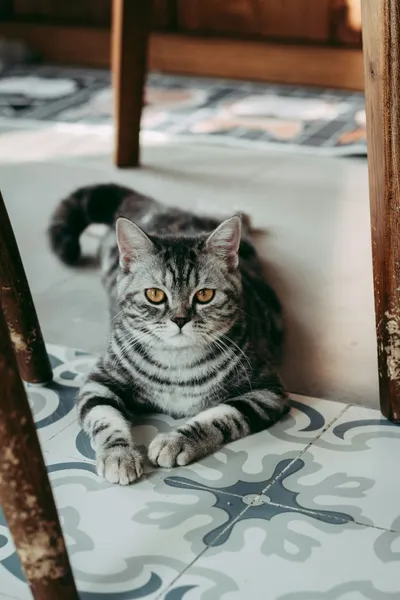
Cat spraying or marking in a new home: why it happens and how to stop it without punishment
A cat that's never marked before can start doing it within days of a move. It's not spite and it's not a litter box failure, and treating it like either one usually makes it worse.
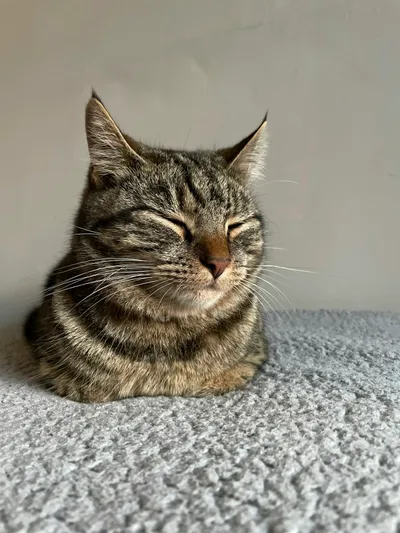
Enrichment for senior or low-mobility cats: what still works when climbing and chasing don't
Most enrichment advice assumes a cat that can jump, sprint, and climb. An older cat, or one slowed by arthritis or another chronic condition, needs the same underlying things: something to hunt, something to smell, something to control. It just needs them delivered differently.

Bringing a kitten home to a resident adult cat: what's different from a two-adult introduction
A kitten's energy and total lack of social filter can wear down an adult cat's patience faster than a standard two-adult introduction ever would. The slow-intro steps are the same, but the pacing and the reasons to slow down are different.

Scent enrichment for cats: why a bored nose causes as much stress as a bored body
Most enrichment advice is about muscles: toys, wheels, climbing. A cat's sense of smell is roughly fourteen times more sensitive than ours, and it goes unused far more often than its legs do.

Stress-induced house-soiling: when a cat pees outside the box and it isn't about the litter box at all
A cat peeing outside the box gets blamed on the litter box first. Sometimes the box is fine and the bladder is reacting to stress instead, a real medical condition with its own diagnosis and its own fix.

Selling your home with an anxious cat: what to do during showings and open houses
The move hasn't even started yet, and your cat is already dealing with strangers walking through the house on a schedule you don't control. Here's what showings actually require, separate from the move itself.

Redirected aggression in multi-cat homes: why it doesn't stop when the trigger leaves
An outdoor cat at the window is one of four common triggers behind sudden fighting, but it behaves differently from the others: the arousal it causes can outlast the trigger by hours, which is why reintroducing too soon backfires.

Catio and supervised outdoor access 101: what to check before you let an anxious cat outside
A catio or a harness turns outdoor time from a risk into a controlled option, but only if the setup actually matches how your specific cat reacts to new stimulation. Here's what to verify before the first session, not after.

Your cat got out after the move: what to do in the first 24 hours
A door left open during a move is one of the most common ways an indoor cat ends up outside in an unfamiliar neighborhood. What that cat does next isn't random, and the first day matters more than any other.

Overgrooming in cats: when licking becomes a stress response instead of hygiene
A bald patch on a cat's belly or inner thigh usually gets blamed on fleas first. Sometimes the actual cause is the cat itself, licking one spot far past what normal grooming requires, which is a stress behavior with its own pattern and its own fixes.

Reading cat body language for hidden tension before it becomes a fight
Most multi-cat conflict has a quiet buildup that never looks like fighting until it suddenly does. Learning to read the buildup catches tension while it's still cheap to fix.

Cat-proofing a new home before move-in: the room-by-room hazard and escape checklist
The best time to find a gap behind the dryer or a window screen that isn't cat-rated is before your cat is standing in front of it. A walkthrough of the empty rooms, done once before anything gets unpacked.
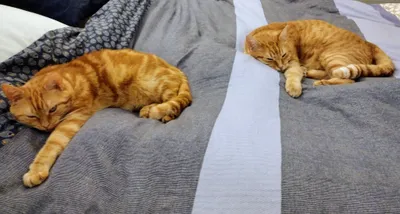
Resource guarding in multi-cat homes: the checklist beyond food bowls
Most multi-cat conflict gets traced back to food before anyone checks the litter box, the window perch, or the one lap everyone wants. A full inventory catches guarding that never shows up as an obvious fight.
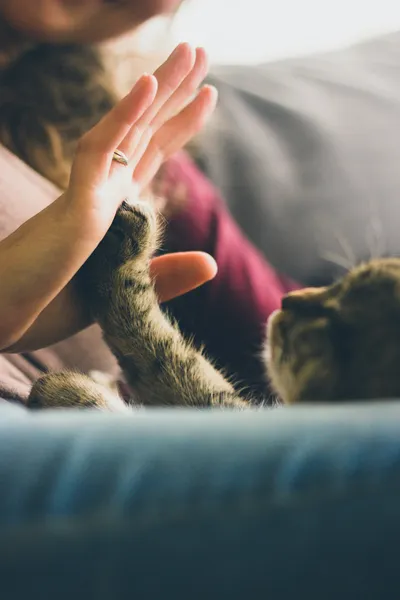
Clicker training for cats: a beginner's guide to enrichment through learning
Every enrichment idea on this site so far is something a cat interacts with alone or during play. Clicker training is different: it's a short, structured conversation between a cat and a person, and the mental work of figuring out what earns a click is enrichment in its own right.

Is my cat okay, or just shut down? Telling real adjustment from giving up after a move
A cat that stops hiding and stops fighting the carrier can look like a cat that's adjusted. Sometimes it's a cat that's stopped trying. The two look almost the same from across the room, and only one of them is actually doing better.
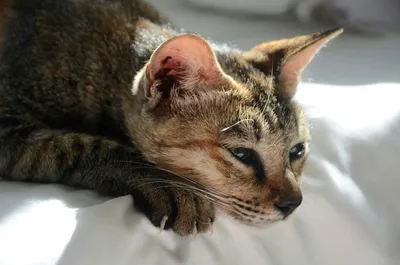
Cat anxiety or pain? How to tell the difference before assuming it's just stress
Hiding, skipped meals, and a sudden dislike of being touched can mean a stressed cat. They can also mean a cat in pain. The two look almost identical from the outside, and the wrong guess costs weeks.
Move-day logistics: keeping your cat safe while movers are in and out
The emotional pacing of a move matters, but move day itself is a different problem: strangers, boxes, and a front door that won't stay closed for hours at a stretch. Here's how to get through it without a bolted cat.
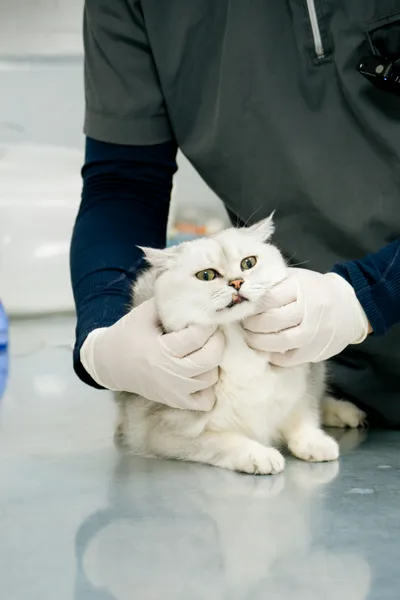
Cat anxiety medication: what vets actually prescribe, and how it's different from calming supplements
L-theanine chews and pheromone diffusers are over-the-counter and slow-build. What a vet actually prescribes for anxiety is a different category entirely, with real dosing, real side effects, and in some cases bloodwork first. Here's what that category actually contains.
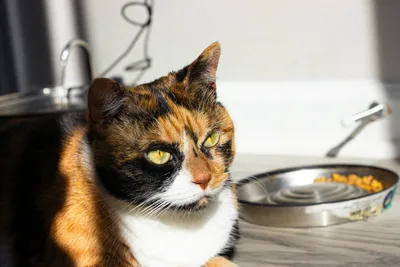
Why cats stop eating after a move, and when to worry
A cat skipping a meal or two after a move is common and usually not dangerous. A cat that goes a full day without eating is a different situation, and cats have a specific medical reason why that clock matters more for them than it does for a dog.
Cat anxiety and loud noise: what actually helps during storms, fireworks, and construction
A single thunderstorm and a six-week renovation both count as loud, but they don't stress a cat the same way and they don't call for the same response. What helps with one can do nothing for the other.

Moving cross-country with a cat: what changes on a multi-hour drive or flight
A local move and a cross-country relocation aren't the same event for a cat. Once transit stretches past an hour or two, feeding schedules, sedation questions, and whether you're flying or driving all become decisions you have to make on purpose.
How pheromone diffusers and calming collars actually work, and when they don't
Pheromone diffusers and pressure wraps get shopped as one category, but they work through two unrelated mechanisms, on two different timelines, with two very different amounts of evidence behind them.

How much separation do fighting cats actually need? A decision guide
Full separation behind a closed door and a slightly tense standoff in the same room call for completely different responses. Matching the response to the actual severity is what gets a household back to normal faster.
Boarding vs. a pet sitter: what's actually less stressful for an anxious cat
Neither option is stress-free, but they're stressful in different ways. Here's how to weigh a boarding facility against an in-home sitter for a cat that already struggles with change.
The predatory play sequence: why your cat's toys stop working
A toy that got ignored after a week usually isn't a bad toy. It's a toy that only covers one piece of a four-part sequence cats are wired to complete, and a cat that never gets to finish the sequence eventually stops starting it.
Safe rooms 101: setting up a dedicated calm-down space for an anxious cat
A cat that's stressed needs somewhere specific to go, not just permission to hide wherever. A dedicated safe room gives them exactly that, and it works best set up before it's needed, not scrambled together during a crisis.
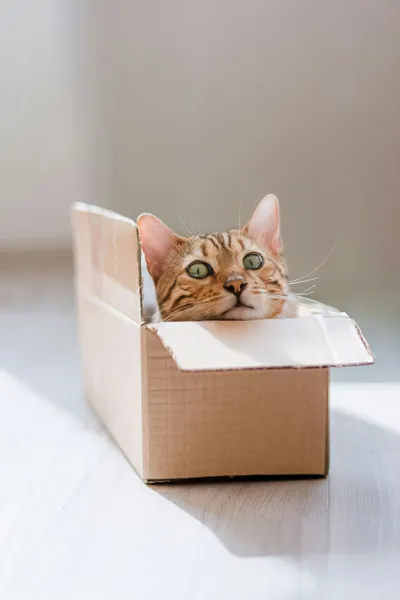
How long does it take a cat to settle into a new home? A realistic timeline
Three days, three weeks, three months: the timeline gets repeated so often it's treated as a rule, but real adjustment speed depends more on the individual cat than the calendar. Here's what's actually normal at each stage.

When change doesn't mean moving: renovations, new furniture, and houseguests
A move isn't the only thing that upends a cat's sense of territory. Contractors, a rearranged living room, or a week of houseguests can trigger the same hiding and stress signals, and the same slow, deliberate response helps.
When to call a vet behaviorist instead of trying another DIY fix
A diffuser, then a supplement, then a new bed, then another diffuser. At some point cycling through calming products stops being progress and starts being a way to avoid asking for real help.
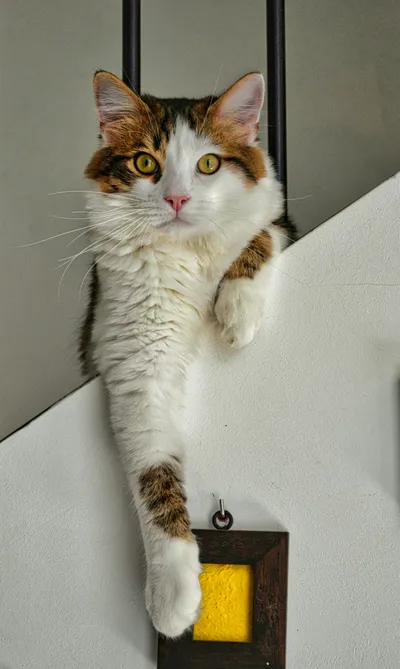
Vertical territory 101: why height matters more than floor space in multi-cat homes
Two cats can share a small apartment peacefully or fight constantly in a big house. The difference usually isn't square footage, it's how much of that space is vertical.
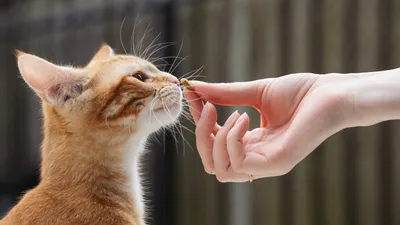
Calming supplements and treats: what actually has evidence behind it
Calming chews and supplements are everywhere, and the evidence behind them ranges from solid to nonexistent. Here's what's actually been studied, and what's mostly marketing.
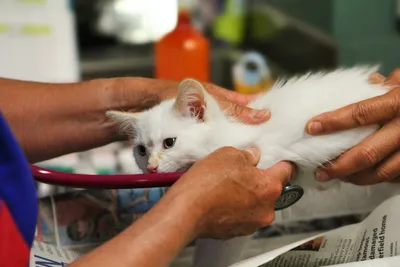
Vet visit anxiety: what's normal fear vs what needs a behaviorist
Almost every cat dislikes the vet. The question that actually matters is whether the fear stays contained to the visit itself, or starts spreading into the rest of your cat's life.

Introducing a resident cat to a new home's territory after moving
Getting through moving day is only half the job. What actually determines how fast a cat settles in is how you hand over the new space, room by room, over the days after.
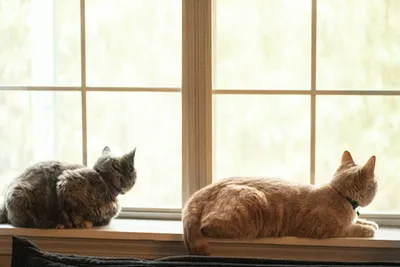
Litter box rules that actually prevent multi-cat conflict
Most multi-cat litter box problems aren't about cleanliness. They're about layout, and a few small changes usually do more than buying a fancier box.

Keeping a home-alone cat entertained while you're at work
A cat alone for eight or nine hours a day isn't resting the whole time. Here's what actually fills that gap, and what's just noise.
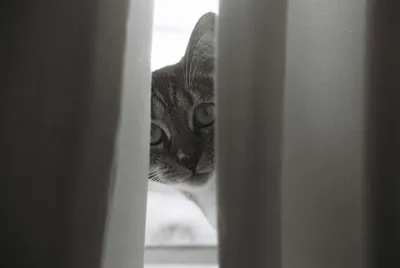
Why does my cat hide when guests come over?
It's not personal, and it's not necessarily a problem. Here's what's actually going on, and when it's worth working on.

Why cats that got along for years suddenly start fighting
Sudden conflict between long-time housemates almost always traces back to one of four triggers. Here's how to find yours.

Indoor cat enrichment on a budget: what actually works
You don't need a $200 catio to fix understimulation. A handful of free or near-free changes cover most of what matters.

Is my cat stressed? 7 body language signs to watch for
Ears, tail, whiskers, and posture: what's normal cat behavior and what's actually a stress signal worth acting on.
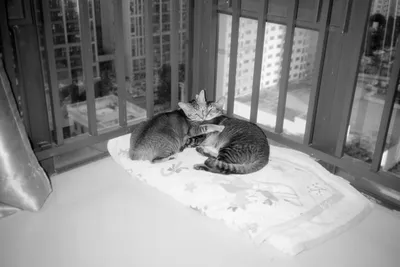
Introducing cats without a fight: a slower plan that actually works
Skipping the slow introduction is the single biggest reason multi-cat households end up in a permanent standoff.

Moving with a cat: a week-by-week plan to skip the panic
What to do the week before, the day of, and the week after, so the move doesn't undo months of a settled routine.