Redirected aggression in multi-cat homes: why it doesn't stop when the trigger leaves
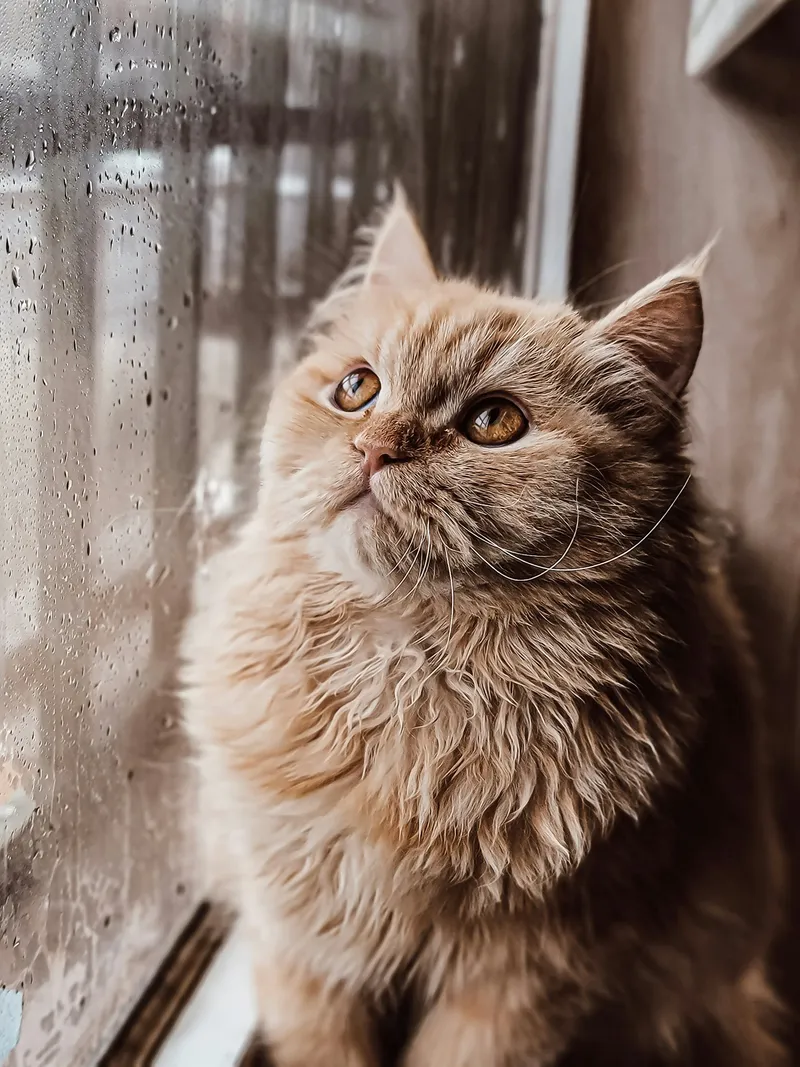
Our guide on why cats that got along for years suddenly start fighting lists an outdoor cat at the window as one of four common triggers. It deserves more room than a single paragraph, because redirected aggression doesn’t behave like the other three. A vet-visit scent mismatch or a resource shift causes tension that tracks roughly with the cause: fix the cause, and the tension fades on a similar timeline. Redirected aggression doesn’t work that way. The arousal that causes it can keep running well after the actual trigger is gone, and treating it like an ordinary spat is the single most common way people accidentally make it worse.
What it looks like while it’s happening
A cat spots, hears, or smells something it can’t reach, another cat outside, a dog, an unfamiliar person at the door, and becomes highly aroused. Dilated pupils, a lashing or puffed tail, a low guttural yowl, a rigid crouched posture. If a housemate cat walks past or even just exists nearby at that moment, the aroused cat can turn and attack it instead, sometimes with no warning posture aimed at the housemate at all. From the housemate’s side, this looks like being attacked out of nowhere by a cat that was, seconds earlier, acting completely normal toward them.
The gap that trips people up
The outdoor trigger disappears fast, the stray walks off, the dog stops barking, but the aroused cat’s internal state doesn’t reset on the same schedule. It’s common for that cat to stay physiologically keyed up for anywhere from twenty minutes to several hours. It’s still reactive to anything that moves too fast or gets too close, even though the thing that started it is long gone. This is the detail that makes redirected aggression different from a normal disagreement. By the time you notice the fight, the actual cause may already be over. The aroused cat looks aggressive toward its housemate for reasons that seem to have nothing to do with anything currently happening in the room.
Why walking back in too soon restarts it
If the two cats are separated the moment a redirected attack happens, the instinct is often to check on them again ten minutes later and, seeing everyone calm, let them back into the same space. If the aroused cat is still keyed up under the surface, reintroducing that early can trigger a second incident, and now there are two bad memories stacked instead of one. Each repeat also makes the housemate cat more likely to react defensively on sight the next time, which is how a single redirected incident can calcify into an ongoing feud that outlives the original trigger by weeks.
How long to actually wait
There’s no universal timer, but a useful marker is watching the aroused cat’s own body, not the clock. Normal-sized pupils, a loose tail, a body that’s resting rather than crouched or pacing, and a willingness to eat or accept a treat, which anxious arousal usually suppresses. Once those signs are steady for a stretch, a supervised, calm reintroduction (same room, distance, something else to focus on) is reasonable. If the first attempt produces immediate tension again, that’s a signal to treat it like a fresh introduction rather than a quick patch-up. Our decision guide on how much separation fighting cats actually need covers that fuller reset process.
Finding and reducing the actual trigger
None of the waiting above prevents the next incident if the trigger keeps showing up on the same schedule. The timing may line up with a specific window, a specific time of day, or a specific outdoor animal’s routine. Blocking the sightline there (frosted film, a closed blind during that window, moving a cat tree away from that specific pane) does more than any amount of reintroduction technique. This is also worth ruling in or out early using the pattern-spotting habits in reading cat body language for hidden tension. If the same cat keeps fixating on the same window before an incident, that’s the trigger to remove, not just the fight to manage after the fact.