Cat anxiety or pain? How to tell the difference before assuming it's just stress
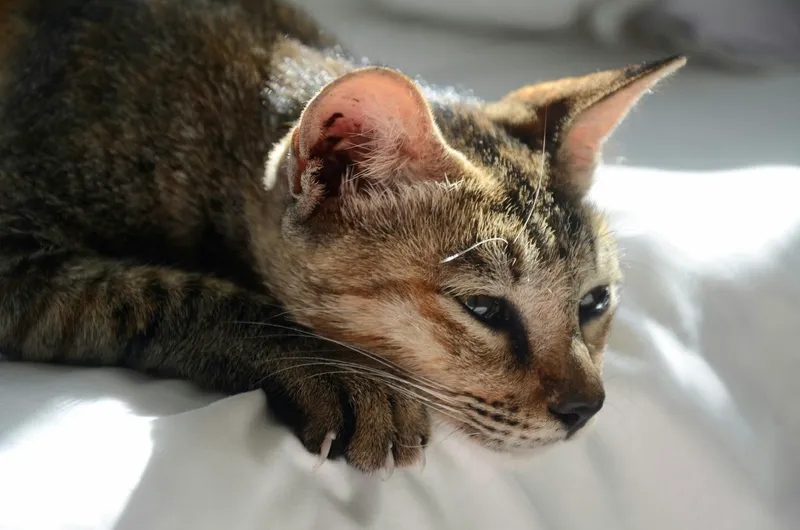
A cat that stops greeting you at the door, eats less, and starts avoiding the litter box looks stressed. It also looks like a cat in pain, because the two conditions produce almost the same short list of visible changes. Cats evolved as both predator and prey, and a prey animal that visibly limps or flinches becomes a target, so the instinct to mask discomfort runs deep even in a cat that’s never seen a predator in its life. That masking is exactly what makes the anxiety-or-pain question so easy to get wrong, and getting it wrong in either direction wastes time. Weeks spent on a diffuser and a hiding spot while an untreated dental abscess or arthritis gets worse, or a vet visit chasing an anxiety diagnosis for something that clears up with a two-week course of pain medication.
Why the same signs mean two different things
Stress and pain both run through the same handful of visible outputs: a cat that hides more, eats less, grooms differently, or gets more reactive to touch. That overlap isn’t a coincidence. Both conditions activate the same stress-response system in a cat’s body, and withdrawal is the default response to almost anything unpleasant, whether the source is a new houseguest or a sore joint. The behavior you’re watching from the outside doesn’t tell you which one is happening. What can tell you is the pattern behind it, and that’s where the two conditions start to separate.
Hiding: triggered versus constant
An anxious cat’s hiding usually tracks to something identifiable: a guest arrives and the cat disappears, a delivery truck slams a door and the cat bolts under the bed for twenty minutes. It’s episodic, and it eases once the trigger passes. A cat in pain tends to hide more constantly, seeking out low-traffic spots and staying there even when nothing in the house has changed, because the goal isn’t avoiding a scary event, it’s avoiding movement and contact altogether. If a cat that used to come out within the hour is now staying hidden most of the day regardless of what’s happening around it, that shift toward constant rather than triggered hiding is worth treating as a flag. That’s not more of the same stress pattern covered in our guide on reading your cat’s stress signals.
Appetite and grooming: gradual versus sudden
A stressed cat’s appetite tends to dip gradually and partially, eating less at each meal but still showing up and eating something. A sharp, near-total drop in appetite over a day or two points more toward a physical cause. Dental pain makes chewing itself hurt, and nausea from a range of medical issues kills interest in food outright rather than just dampening it. Grooming follows a similar split. Anxiety-driven overgrooming is usually localized and repetitive, a bald patch on the belly from a cat that grooms the same spot when stressed. A cat that stops grooming altogether, ending up with a dull, slightly greasy coat, is more often a cat that hurts too much to bend and reach the way normal grooming requires.
Touch sensitivity and a new dislike of handling
A cat that suddenly won’t tolerate being picked up, brushed along the spine, or touched near the belly, when it used to allow all of that without issue, is showing you something specific. Anxiety can make a cat more guarded in general, but a sharp, localized flinch or a hiss at contact with one particular area (the lower back, a hip, the mouth) is a pain response, not a general stress response. General wariness spreads across all handling equally. A flinch at one specific spot points at that spot.
Litter box changes: avoidance versus discomfort
Both anxiety and pain can show up at the litter box, but they tend to look different once you watch closely. A stressed cat avoiding the box is usually avoiding the box itself, the location, another cat guarding it, a recent move, and will often still show interest in going elsewhere in the house. A cat in pain, particularly with a urinary issue, tends to visit the box more often, strain while producing very little, cry out while urinating, or leave the box mid-attempt looking uncomfortable. Straining with little output is a specific enough sign that it deserves a same-day vet call, especially in male cats, where a blocked urethra is a medical emergency.
The timeline is often the clearest signal of all
Anxiety triggered by an identifiable change, a move, a new pet, a renovation, tends to build gradually and correlates with something you can point to in the last few weeks. Pain-driven behavior change is more often sudden: a cat that was completely normal on Monday and withdrawn, off its food, and snapping at being touched by Wednesday, with nothing different in the household. That’s a pattern that fits an injury or an acute medical issue far better than it fits new-onset anxiety. Anxiety rarely appears overnight with no trigger at all. Sudden, unexplained changes deserve a medical explanation first.
What to actually do with this
None of the differences above are a diagnosis, and they’re not meant to replace a vet visit, only to help you decide how urgently to make one. If you’re seeing sudden onset, a specific touch-sensitive spot, straining at the litter box, or a near-total appetite drop, treat it as a vet visit first and a stress diagnosis second. That’s true even if a recent household change makes anxiety feel like the obvious explanation. If the pattern instead looks gradual, triggered by something identifiable, and eases once that trigger passes, the environmental approach covered across our Calm Home picks is a reasonable place to start. Either way, a vet exam that rules out pain is worth doing before you commit weeks to a behavioral fix. That’s also the first step in our guide on when to call a vet behaviorist instead of trying another DIY fix, once medical causes are off the table.