When a multi-cat household loses one cat: how the surviving cats actually react
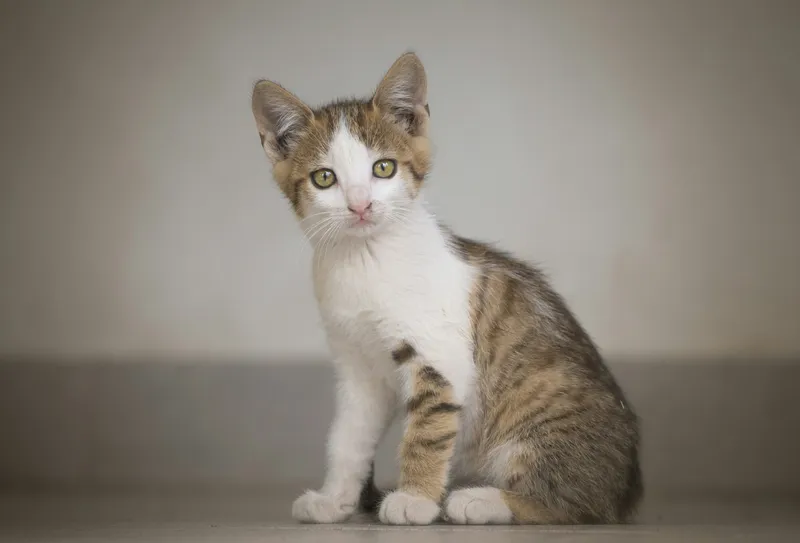
Losing a cat is hard enough on its own. In a multi-cat home, the cats left behind often go through a visible change too, and it’s easy to read every bit of it as grief. Some of it is something more specific. A resource system built around two or three cats has lost one of its members, and the survivors are adjusting to the new math whether or not they miss the cat that’s gone.
What actually changes for the cat left behind
A cat doesn’t understand that a housemate died. What it notices is that a familiar scent has stopped refreshing around the house, a resting spot sits empty, and a bowl or a box that used to have a second user doesn’t anymore. Some surviving cats start using spaces the other cat used to guard, since the competition for that spot is simply gone. Others avoid a spot they used to share, at least for a while.
Don’t assume the household will just settle back into its old rhythm once the shock passes. The rhythm was built around a cat that isn’t there anymore, so a new one has to form. Our resource guarding checklist is a useful way to re-audit food, water, litter boxes, and perches now that the numbers have changed, since a setup that worked for three cats can suddenly be unbalanced for two.
Calling and searching is a real behavior, not drama
A surviving cat that walks through the house calling, checking closets, or waiting at a spot the other cat used to occupy is showing a real, documented response. It isn’t a performance for your benefit. Cats form real bonds with housemates, and losing one abruptly can change eating, sleeping, and vocalizing for days or weeks. Our guide to excessive meowing and yowling covers how to tell searching-and-calling apart from meowing driven by something else, like pain or a litter box problem.
Give the searching some space before treating it as a problem to fix. A cat calling out for a day or two after a loss usually settles as the new routine forms. Calling that continues for weeks, or comes with real appetite loss, is a different situation and belongs in the next section.
Grief-like behavior vs a sign something else is wrong
Hiding, skipped meals, and reduced grooming can look identical no matter the cause. A housemate’s death, an unrelated illness that happens to start around the same time, and a totally separate change in the house can all produce the same signs. Coincidence timing is common enough that it’s worth ruling out physically. Our guide to telling anxiety from pain walks through the physical signs, like posture and grooming location, that point toward pain rather than stress.
Watch food and water intake closely in the first week. A cat skipping a single meal after a household disruption is common and usually resolves on its own. A cat that goes a full day without eating anything, or stops drinking, needs a vet visit regardless of how obvious the emotional explanation seems.
Don’t rush to bring home a replacement cat
Adding a new cat quickly, before anyone has adjusted to the current household, treats the surviving cat’s reaction as a hole to fill rather than a change to process. A surviving cat that’s still working out a new routine with an existing housemate has one more adjustment to make, not fewer, if a stranger arrives on top of it. That’s a full introduction process layered onto an already unsettled house.
If another cat does eventually join the household, treat it as a completely fresh introduction rather than a replacement, on the surviving cat’s timeline rather than a fixed calendar date. Our slower introduction plan covers pacing that works whether the household has one surviving cat or several.
What actually helps in the weeks after
Keep feeding times, litter box locations, and resting spots as close to unchanged as possible. A remaining cat is already dealing with one big shift. A second one, like rearranging furniture or switching food brands the same month, adds a variable that makes it harder to tell what’s actually causing a reaction. Our vertical territory guide is worth a look if a shared shelf or perch the cats used to split now sits open. It’s a chance to add safe elevated space rather than assuming the layout is fixed.
Extra affection helps some cats and overwhelms others. Offer attention without forcing it, and let a cat that wants distance have it. A cat that suddenly seeks out more lap time than usual is asking for something real, and a cat that withdraws isn’t being ungrateful for the attention you’re offering.
When to call the vet or a behaviorist
Call a vet if appetite loss lasts more than a day, or if hiding turns into avoiding the litter box entirely. The same goes if grooming stops enough that the coat looks visibly unkempt. Those are physical risks that don’t resolve just by waiting out a grief period. Our guide to vets vs behaviorists covers how to tell when a routine check-in is enough and when the situation calls for a specialist instead.