Introducing cats without a fight: a slower plan that actually works
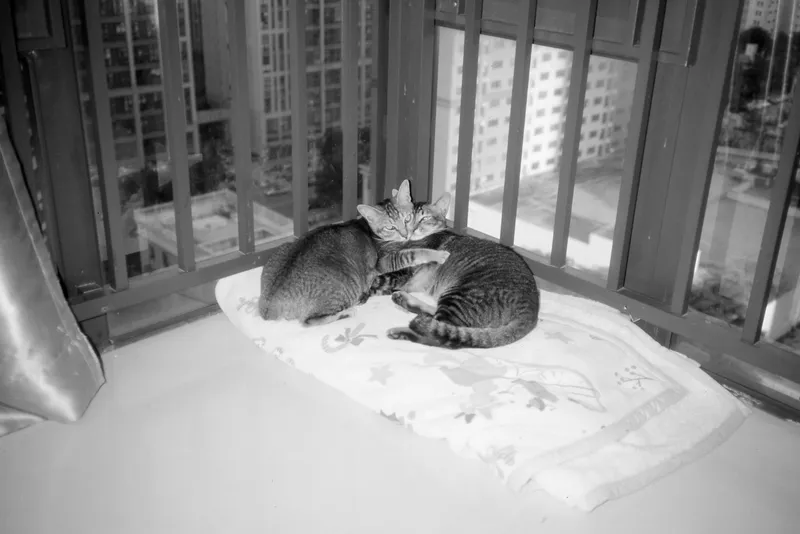
Most failed cat introductions fail for the same reason: they move too fast. Two cats meet face-to-face on day one, one of them panics, and every interaction after that is colored by that first bad moment. A slower process takes longer up front but is far more likely to stick.
Days 1 to 3: separate territory, swapped scent
Keep the new cat in a separate room with its own litter box, food, and water. Don’t let them see each other yet. Instead, swap a blanket or towel between the two spaces daily so each cat gets used to the other’s scent without the pressure of a visual encounter.
Days 4 to 7: supervised sight, no contact
Crack the door or use a baby gate so the cats can see each other but not make physical contact. Keep sessions short, five to ten minutes, and end on a calm note rather than waiting for signs of stress to appear. Feed both cats near the barrier during these sessions so they start associating each other’s presence with something good.
Week 2: short shared time
If sight sessions are going well (no prolonged hissing, no flattened ears, no one refusing to eat), allow short periods of shared space with both cats free to leave. Don’t force interaction. Let them ignore each other if that’s what they choose; ignoring is a fine outcome at this stage.
What a setback actually looks like
Hissing during the first few sight sessions is normal and not a failure. A real setback is one cat stalking, blocking access to food or the litter box, or a fight that draws blood. If that happens, go back to full separation for a few days before trying again at a slower pace.
Ongoing: enough resources for two
Even after a successful introduction, most multi-cat conflict comes down to resource competition. The standard guidance is one litter box per cat plus one extra, and food and water stations spread across the home rather than clustered in one spot, so no cat has to pass through another’s territory to eat.
Mutual grooming is the clearest sign an introduction has actually landed. It cannot be rushed or forced.