Cat anxiety medication: what vets actually prescribe, and how it's different from calming supplements
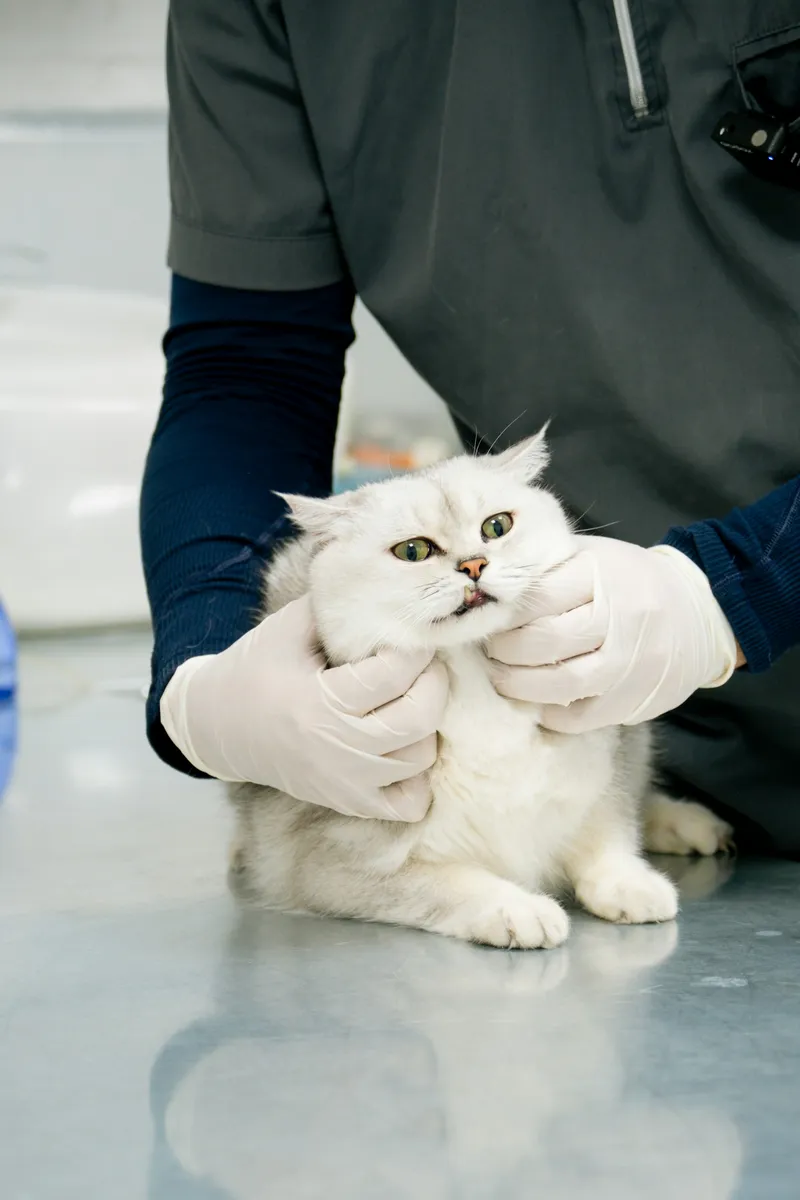
Our guide on calming supplements covers L-theanine, alpha-casozepine, and the rest of what’s sold over the counter. Prescription anxiety medication is a different category, not a stronger version of the same thing. It requires an actual vet visit, it comes with real side effects to watch for, and some of it needs bloodwork before a cat ever takes the first dose. If you’ve been through the DIY options in our vet behaviorist guide and a vet has raised medication as an option, here’s what that conversation is actually about.
Situational medication vs. daily medication
Prescription options split into two groups that work on completely different timelines, and mixing them up is the most common source of confusion. Situational medication is given once, a few hours before a specific stressful event: a vet visit, a flight, fireworks night, movers in the house. It’s fast-acting and out of the system within a day. Daily medication is taken every day, whether or not anything stressful is happening that day, and it’s meant to lower a cat’s baseline anxiety over weeks, not fix a single bad afternoon. A vet reaching for one doesn’t mean the other is off the table; some cats end up on a daily medication for chronic anxiety and still get a situational dose on top of it for something like a move.
Gabapentin: the go-to for a single stressful event
Gabapentin is the most commonly prescribed situational option, usually as a capsule opened into food a couple of hours before a carrier ride, a vet appointment, or boarding. It’s mildly sedating, blunts the physical stress response, and has a wide safety margin, which is part of why it’s become the default first try for a cat that turns a vet visit into a fight. It doesn’t fix the underlying fear of carriers or car rides on its own. It just makes one specific trip more tolerable while other work, carrier desensitization, a covered crate, goes on in the background.
Trazodone: the other situational option, used for longer events
Trazodone covers similar ground to gabapentin but tends to get picked for events that last longer than a car ride, an overnight boarding stay, a multi-day move, fireworks season. It’s also given as-needed rather than daily, dosed a couple of hours ahead of the stressful stretch, and some vets combine it with gabapentin for cats that don’t respond enough to either alone. Response to trazodone varies more between individual cats than gabapentin does. So a vet will often suggest a test dose on a calm day before relying on it for the actual event, to see how a specific cat reacts before it matters.
Fluoxetine and the daily options: for anxiety that’s a standing pattern
For anxiety that shows up as an ongoing pattern rather than a specific trigger, urine marking, chronic hiding, inter-cat tension that flares constantly rather than around one incident, vets reach for a daily medication instead. Fluoxetine, the same molecule as human Prozac, and clomipramine are the most commonly prescribed. Worth knowing that most of this is extra-label prescribing: the veterinary fluoxetine brand, Reconcile, is licensed for dogs, and vets prescribe fluoxetine and its generics for cats on clinical judgement rather than off a cat-specific label. That is routine and legal, not a warning sign, but it does mean the dose and the monitoring come from your vet rather than a package insert written for cats. Both take two to six weeks of consistent daily dosing before the full effect shows up, which is a much longer runway than gabapentin’s same-afternoon effect. Neither should be stopped abruptly once a cat has been on it for a while. A vet will usually taper the dose down over time rather than stopping it in one step. Buspirone is a less sedating daily alternative some vets prefer for cats where drowsiness is a problem, though it’s generally considered somewhat less consistently effective across the board.
What actually separates this from an OTC supplement
Three things: a prescription is required, meaning a vet has to see the cat first rather than a bottle appearing on a shelf. Side effects are real and specific, not just “may cause mild drowsiness” in fine print. Gabapentin causes noticeable sedation and occasional wobbliness at higher doses, and fluoxetine can cause appetite changes or GI upset especially in the first couple of weeks. Any of these can interact with other medications a cat is already on. And for daily medication specifically, a vet will often want baseline bloodwork first, checking liver and kidney function. These drugs are processed through both, and a cat with an existing issue there needs a different plan or closer monitoring.
The human version in your cabinet is not a shortcut
Because fluoxetine is the same molecule people take, it is worth saying plainly: a cat should never be given a human prescription, or a dose left over from another pet. A cat dose is a small fraction of a human one and a human tablet does not divide down to it accurately. Some human formulations are combination products, or carry coatings and sweeteners that are not safe for cats. And the drug that suits one cat’s anxiety pattern is frequently not the one that suits another’s, which is the whole reason the vet visit and the bloodwork come first. This is the same logic as the sedative question when you are travelling: the risk is not that the medication is exotic, it is that the dose and the match to the individual animal are things you cannot eyeball.
Medication is a tool inside a plan, not the plan itself
A vet prescribing fluoxetine for chronic marking isn’t handing over a fix on its own. The medication lowers a cat’s baseline reactivity enough that the behavioral work, a structured reintroduction after a fight, a change in litter box setup, actual desensitization to whatever’s triggering the marking, has a chance to stick. Medication without that other half tends to produce a calmer cat with the exact same triggers still in place, which is why a veterinary behaviorist typically prescribes both pieces together rather than medication alone. If a cat has been on a daily medication for a few weeks with no behavioral changes running alongside it, that’s worth raising at the next check-in rather than assuming the drug simply isn’t working.