Separation anxiety in cats: signs it's not just boredom, and what actually helps
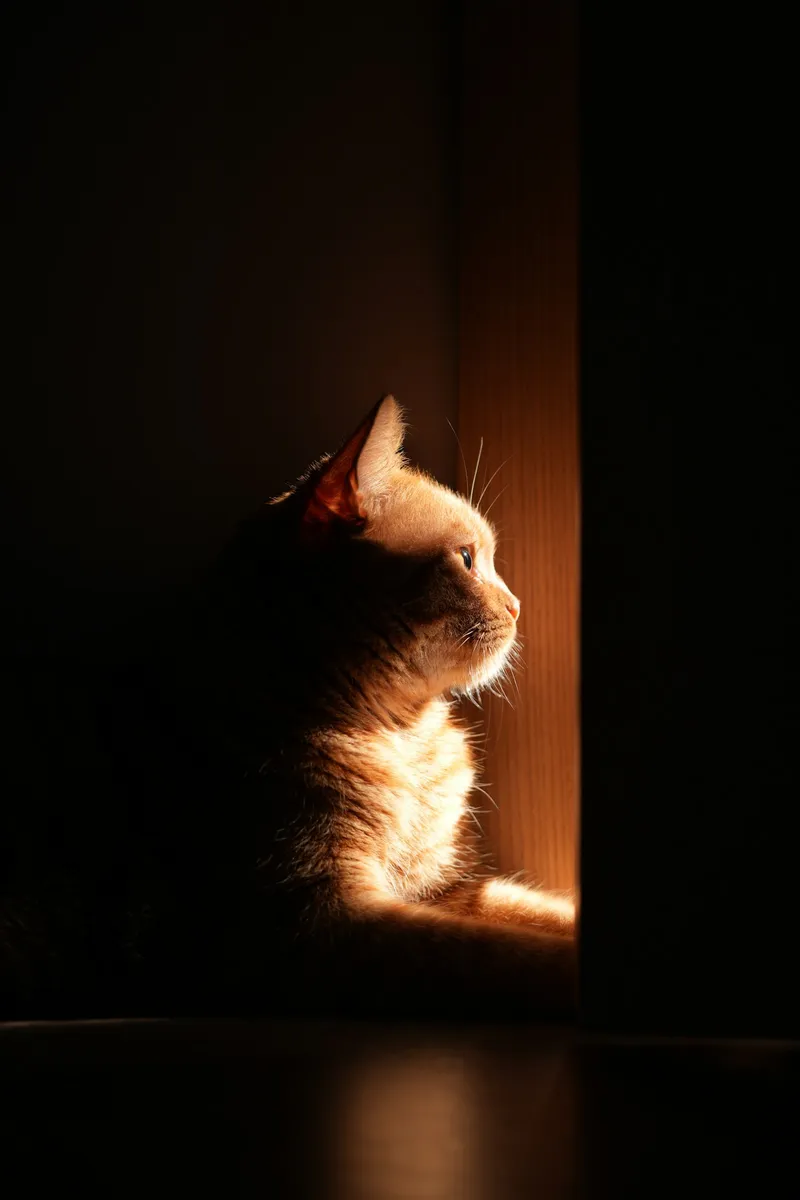
A cat that scratches the door, knocks things off a shelf, or yowls only on days you leave the house isn’t necessarily bored. Boredom shows up any time a cat is under-stimulated, whether you’re home or not. Separation anxiety is narrower than that. It clusters tightly around the act of you leaving and the act of you coming back, and it’s a distinct stress response rather than a cat filling empty hours.
What the pattern actually looks like
A few behaviors point toward separation anxiety specifically, especially when several show up together:
- Vocalizing, pacing, or hiding that starts as soon as you pick up your keys or put on shoes, before you’ve even left
- Urinating or defecating near the door you use to leave, even though the litter box is clean and reachable
- Scratching or chewing concentrated at doors and windowsills, not spread across the house the way general destructiveness is
- Excessive grooming, sometimes to the point of bald patches, that’s worse on days you’re out longer
- Not eating while you’re gone, then eating normally the moment you’re back
- A greeting at the door that’s frantic rather than just enthusiastic, with heavy panting or drooling in some cats
One or two of these on their own don’t confirm anxiety. A cat parked at the door for ten minutes after you leave and then settling down is a different animal from one that’s still pacing and vocalizing an hour in.
The test that actually separates it from boredom
Boredom-driven destruction happens whenever a cat is under-stimulated, home alone or not, and it’s usually spread across ordinary play targets: knocked-over cups, shredded cardboard, batted objects across the floor. Separation anxiety concentrates at exits and shows a clear on-off pattern tied to your schedule, not a general lack of things to do.
A simple way to check: a phone propped up recording the first twenty minutes after you leave. Frantic activity that fades into calm resting within that window looks more like a rough adjustment period than true anxiety. Distress that continues through most of the time you’re gone is the stronger signal. Our pet camera roundup covers options built for exactly this kind of remote check, not just multi-cat households.
Rule out other causes before assuming it’s anxiety
A sudden change in a cat that’s never had this problem deserves a vet visit before anything else. Straining near the door instead of vocalizing can point toward a urinary issue rather than distress. Our guide on telling anxiety from pain covers how the two get confused. In a multi-cat home, what looks like separation anxiety in one cat can actually be it finally being alone with a housemate it’s been avoiding while you’re around to referee. If the timing lines up with tension between cats rather than your absence specifically, that’s a different problem with a different fix.
What actually helps
Make departures boring on purpose. Picking up keys, putting on shoes, and grabbing a bag in the same order every time your cat sees it as a threat trains the cat to watch for those cues and react to them. Doing the same motions at random times when you aren’t actually leaving, then just sitting back down, breaks that link over a week or two.
Skip the dramatic goodbye and the big reunion greeting. Both mark the transition as a bigger deal than routine, which works against the calm you’re trying to build. A quiet “back soon” and a low-key hello when you return does more than either extreme.
Front-load activity instead of leaving toys out and hoping. A cat that’s had a real play session and eaten shortly before you leave is more likely to settle into a nap than one left to notice you’re gone. Our guide on keeping a home-alone cat entertained and our interactive toy roundup both work from that same idea, giving a cat something to do in the first stretch of alone time rather than nothing.
Pheromone diffusers help some cats and do nothing for others, and they work better alongside the routine changes above than as a standalone fix. Our guide on how pheromones actually work covers what the evidence supports and what it doesn’t.
When to call a vet behaviorist
Self-injury from overgrooming, complete refusal to eat while you’re gone, or distress that isn’t easing after several weeks of a consistent routine are past the point of home fixes. A vet visit first rules out the medical causes above, and from there a vet behaviorist can build a desensitization plan or discuss medication alongside it. Our guide on what vets actually prescribe covers how that differs from an over-the-counter calming supplement, and why the two aren’t interchangeable for a severe case.