Why cats fight when one comes home from the vet: the scent recognition problem
Our guide on why cats that got along for years suddenly start fighting names a vet visit as the single most common trigger, in one paragraph. It earns more room than that, because it’s also the most predictable one on the list. You usually know exactly when it’s coming: the moment you open the carrier door after an appointment.
Why a familiar cat suddenly smells like a stranger
Cats in the same household build a shared scent through mutual grooming and rubbing against each other and the furniture. That group scent is a big part of how they identify a housemate as safe. A trip to the vet strips a lot of that away in an hour or two. Disinfectant, other animals’ scent trails, handling by strangers, and the cat’s own stress hormones all layer on top of it. The cat that stayed home doesn’t recognize a threat exactly. It just can’t confirm this smells like the cat it knows, and treats the mismatch as reason enough to react.
What it actually looks like
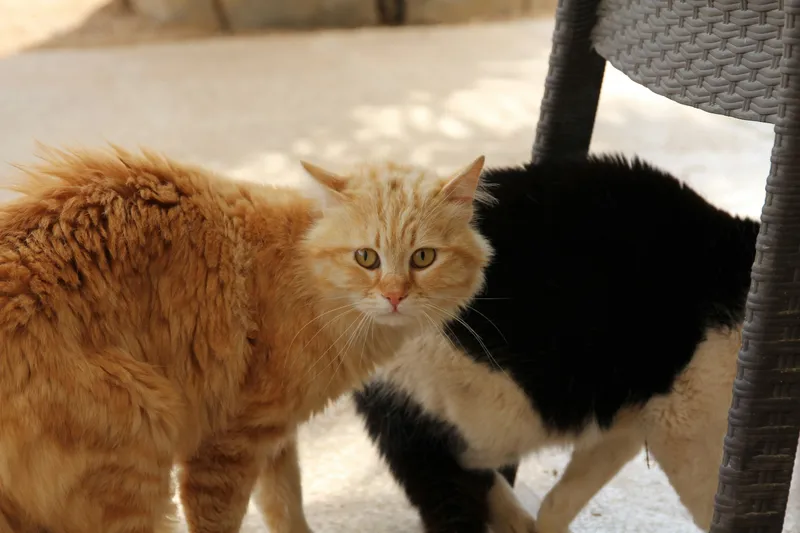
The resident cat is usually the one who reacts first: hissing, an arched back, puffed tail, or a swat the moment the returning cat comes through the door. The returning cat, already stressed from the appointment, often responds defensively instead of backing off, which is how a scent mismatch turns into an actual fight rather than a cat quietly avoiding another cat for an hour. Both cats can act completely out of character for the rest of the day.
It isn’t limited to the vet specifically
Anything that separates a cat from the household while exposing it to a very different scent environment can trigger the same reaction. A groomer, an overnight boarding stay, a stay at a friend’s house, even a long trip in a carrier that picked up scent from a waiting room full of other animals. The vet is just the most common version because it happens more often than the others.
Lowering the odds before it happens
A few small habits make the scent gap smaller. Bring a blanket or towel from home in the carrier, and let the cat rest on it during the visit and the ride back rather than a clinic-provided liner. If more than one cat in the household needs a vet visit around the same time, schedule them for the same day so nobody comes home as the sole outlier. Before letting the returning cat straight into shared space, give it a short holding period alone in a room with its own litter box and water, long enough to settle and start smelling like itself again.
What to do once the hissing has already started
Separate the two cats the moment you see a real reaction, the same way you would for a brand-new introduction: different rooms, food and litter for both, no forced contact. Scent-swap by rubbing a cloth on one cat and wiping it lightly on the other, in both directions, a few times over the next day. Reintroduce slowly through a cracked door or gate rather than assuming a few hours apart is enough to reset things. Most cases resolve within one to three days once the returning cat’s scent evens back out on its own. Our decision guide on how much separation fighting cats actually need covers the fuller reintroduction process if a day or two of scent-swapping doesn’t settle it.
When it doesn’t resolve on its own
If hostility carries on past a few days despite scent-swapping and a slow reintroduction, the vet trip may have only exposed tension that was already sitting under the surface of the relationship. Treat it as a fresh introduction using the pace in introducing cats without a fight. If the relationship still hasn’t settled after that, our guide on calling a vet behaviorist instead of trying another DIY fix covers when it’s worth bringing in outside help.